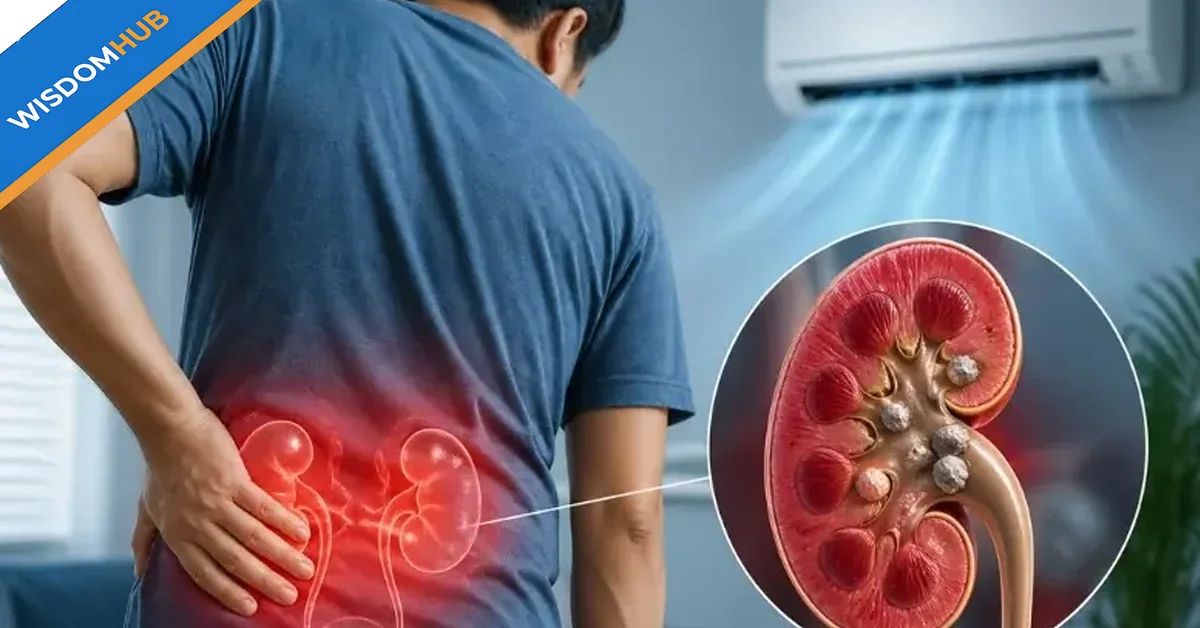
Silent Danger: How Excessive AC Use Increases Kidney Stone Risk
Health experts warn that prolonged exposure to air conditioning can cause 'silent dehydration,' significantly increasing the risk of kidney stones even in cool environments.
شدت کی گرمی میں ایئر کنڈیشنڈ (اے سی) کمرے سکون کا باعث تو بنتے ہیں، لیکن طبی ماہرین نے ان کے حوالے سے ایک اہم طبی خطرے کی جانب توجہ دلائی ہے۔
ماہرینِ صحت کا کہنا ہے کہ مستقل بنیادوں پر اے سی میں وقت گزارنا اب گردے کی پتھری جیسے مرض کا سبب بن رہا ہے۔ یہ ایک ایسی بیماری ہے جسے پہلے عموماً باہر دھوپ میں کام کرنے والے افراد کا مسئلہ سمجھا جاتا تھا، مگر اب یہ بند کمروں میں رہنے والوں کو بھی اپنی لپیٹ میں لے رہی ہے۔
ڈاکٹروں کے مطابق، ٹھنڈے ماحول میں رہنا جسم کو پانی کی کمی (ڈی ہائیڈریشن) سے مکمل طور پر محفوظ نہیں رکھتا۔ اے سی ہوا سے نمی کھینچ لیتا ہے جس کے نتیجے میں جسم سے خاموشی کے ساتھ پانی کا اخراج ہوتا رہتا ہے۔ چونکہ ٹھنڈک میں پسینہ نہیں آتا اور نہ ہی شدید پیاس محسوس ہوتی ہے، اس لیے لوگ اس خاموش ڈی ہائیڈریشن کو نظر انداز کر دیتے ہیں۔
طبی ماہرین نے وضاحت کی ہے کہ جب جسم میں پانی کی مقدار کم ہو جاتی ہے، تو پیشاب میں موجود معدنیات جیسے کیلشیم، آکسالیٹ اور یورک ایسڈ جمع ہو کر کرسٹل بنانا شروع کر دیتے ہیں۔ یہی کرسٹل وقت کے ساتھ پتھری کی شکل اختیار کر لیتے ہیں، جو شدید درد اور دیگر پیچیدگیوں کا باعث بنتے ہیں۔
گرمیوں میں اس مسئلے کی ایک اور بڑی وجہ پانی کے بجائے چائے، کافی اور میٹھے مشروبات کا زیادہ استعمال ہے۔ یہ مشروبات جسم میں پانی کی کمی کو مزید بڑھاتے ہیں۔ اسی طرح نمک اور آکسیلیٹ سے بھرپور غذائیں جیسے پالک، خشک میوہ جات اور چاکلیٹ بھی مناسب پانی کے بغیر استعمال کی جائیں تو خطرہ بڑھ سکتا ہے۔
احتیاطی تدابیر کے طور پر ماہرین روزانہ کم از کم ڈھائی سے تین لیٹر پانی پینے کی تجویز دیتے ہیں۔ دفاتر میں کام کرنے والے افراد کو خاص طور پر پانی پینے کے اوقات مقرر کرنے چاہئیں تاکہ وہ پیاس نہ لگنے کے باوجود اپنی ہائیڈریشن کا خیال رکھ سکیں۔
مزید برآں، ناریل پانی اور لیموں پانی کا استعمال بھی مفید قرار دیا گیا ہے۔ لیموں میں موجود قدرتی اجزاء پیشاب میں موجود کیلشیم کو کرسٹل بننے سے روکنے میں مدد دیتے ہیں، جس سے پتھری کا خطرہ کم ہو جاتا ہے۔
ماہرین کا کہنا ہے کہ جن افراد کو پہلے پتھری کا مسئلہ ہو چکا ہے، انہیں گرمیوں میں زیادہ محتاط رہنے کی ضرورت ہے۔ مجموعی طور پر یہ بات واضح ہے کہ اے سی کی ٹھنڈک میں چھپا یہ خطرہ معمولی احتیاط اور پانی کے زیادہ استعمال سے ٹالا جا سکتا ہے۔
English Translation
While air-conditioned rooms offer a reprieve during the sweltering summer heat, health experts have highlighted a concerning health risk associated with their constant use. Medical professionals warn that spending excessive time in AC environments is now linked to an increased risk of kidney stones—a condition previously associated primarily with outdoor laborers working in direct sunlight.
Doctors explain that contrary to popular belief, staying in a cool environment does not protect the body from dehydration. AC units remove moisture from the air, causing the body to lose water gradually. Because the cooling effect prevents sweating and suppresses the sensation of thirst, many people suffer from "silent dehydration" without realizing it.
According to experts, when hydration levels drop, minerals in the urine—such as calcium, oxalate, and uric acid—concentrate and form crystals. Over time, these crystals develop into kidney stones, leading to severe pain and medical complications. This issue is further exacerbated by the consumption of tea, coffee, and sugary beverages instead of water during the summer months.
Dietary habits also play a significant role. Foods rich in oxalates, such as spinach, nuts, and chocolate, can increase the risk if consumed without adequate water. To mitigate these risks, experts recommend drinking at least 2.5 to 3 liters of water daily. Office workers are particularly encouraged to set hydration reminders to maintain water intake despite the lack of immediate thirst.
Additionally, incorporating lemon water and coconut water into the diet is considered beneficial. The natural components in lemons help prevent calcium from crystallizing in the urine, thereby reducing the likelihood of stone formation. Medical professionals advise individuals with a history of kidney stones to be extra cautious during the summer and prioritize a balanced, hydrated lifestyle.
Related
More from Health News